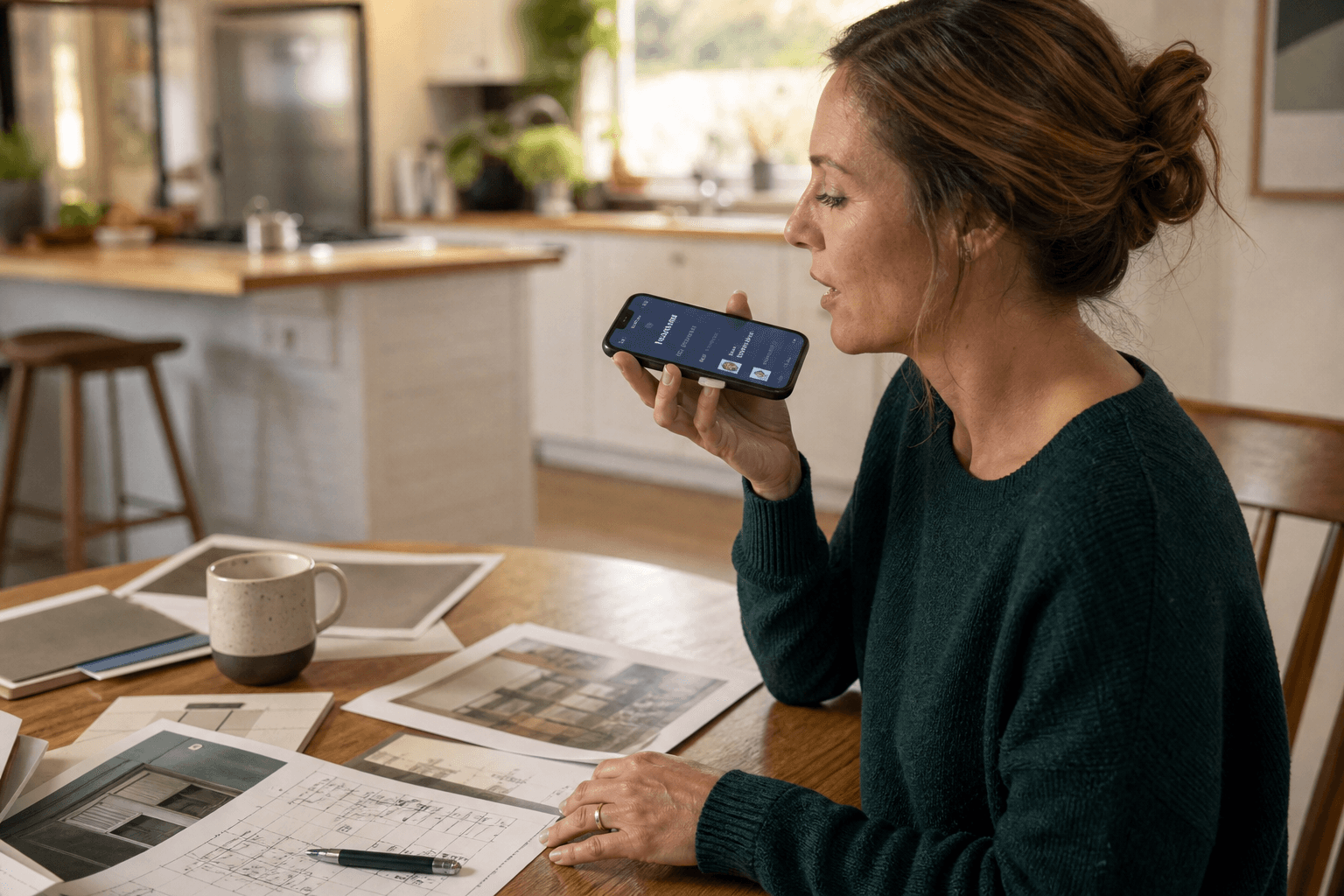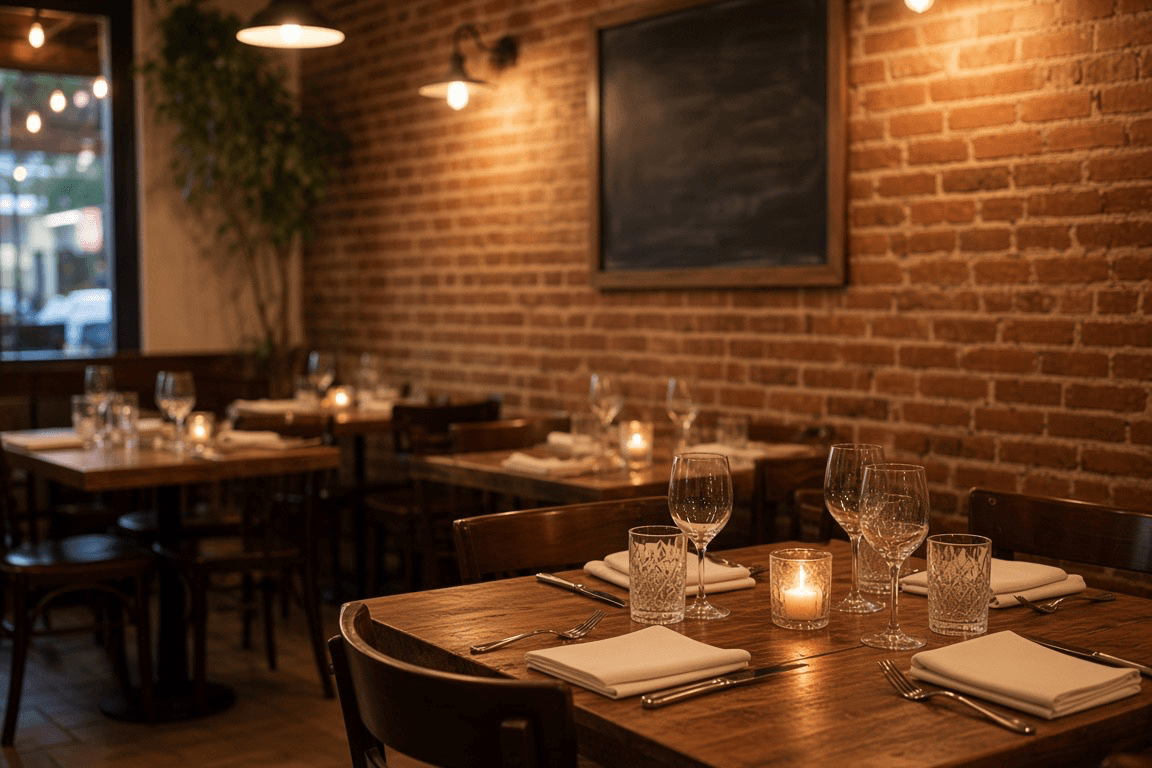
A couple planning an anniversary types "romantic restaurant near me with a private room for a party of 8" into ChatGPT. The engine writes back three names with a sentence about each: one has a private dining room that seats ten, one is described as "quiet, good for occasions," one gets flagged as having a prix fixe menu. They book the first one. Nobody opened Yelp, nobody scrolled a list of forty places on a map. That path is now common. 45% of US consumers used AI tools like ChatGPT for local business recommendations in the past year, up from 6% the year before (BrightLocal, 2026), and restaurants are the most natural fit of any local category because the question is never just "restaurant near me." It's a restaurant for an occasion, with constraints, and engines are good at constraints.
The frustrating part for an owner is how little of your restaurant most engines can actually read. Your menu is a PDF from the printer. Your private-dining details live in an email to the events manager. Your dietary accommodations are something the server explains tableside. Your hours are on Instagram. Almost none of that is text on a page an engine can quote, so the answer gets built from Yelp, Google, TripAdvisor, and whoever wrote about you online. You can change that in an afternoon, and most of your competitors won't.
What restaurant questions do people ask AI?
Occasion first, almost always. "Romantic restaurant near me with a private room", "best brunch in Nashville for a group of 12", "kid-friendly restaurant near me with a play area", "birthday dinner in Denver that does something special", "quiet restaurant for a business lunch downtown". The asker isn't browsing; they have a date and a headcount. Then dietary constraints, which are attached to everything: "gluten-free Italian near me that isn't just salads", "vegan tacos in Austin", "restaurant near me with a real nut-free kitchen", "halal steakhouse in Houston". A restaurant that publishes how it handles allergies in text gets named for these. One that says "please inform your server" doesn't.
Then logistics: "restaurants open late near me on Sunday", "happy hour near me right now", "restaurant with a dog-friendly patio near me", "where can I eat near the stadium before the game with parking". Then the "best of" family that every city has: "best tacos in Austin", "best pho in the Twin Cities", "best oysters in Portland". Those get answered from reviews and local press, so they're the hardest to move, but they're also where a specific, well-described dish gets quoted by name. And finally cost: "nice restaurant in Chicago under $50 a person", "cheap eats near me open now". If your prices are in a PDF, the engine guesses. If they're in text, it quotes.
Who does AI name for restaurants?
Restaurants that are richly described on the platforms engines can read, and whose own site agrees with them. Yelp is unusually important here: Yelp disclosed a data-licensing agreement with OpenAI in its Q4 2025 earnings in February 2026, which means ChatGPT has a direct line to Yelp's business data and reviews. Google Business Profile, TripAdvisor, and reservation platforms like OpenTable and Resy round out the sources engines lean on for hours, price range, ambiance tags, and what people ordered. Local press and food writers matter for the "best of" questions. Yext's analysis of 6.8 million AI citations across retail, financial services, healthcare, and food service found 86% came from brand-managed sources: owned websites (about 44%) and managed listings like Yelp and Google Business Profile (about 42%). Food service is in that sample, and the split tells you where the work is. Half the evidence is your website. The other half is your listings.
The shortlist is short and varies by engine. SOCi's 2026 Local Visibility Index found ChatGPT recommended just 1.2% of local brand locations, versus 11% for Gemini and 7.4% for Perplexity. SOCi measured multi-location brands, so chains are in there and the exact number won't map to your independent restaurant, but the shape holds: a recurring spot in a ChatGPT answer is scarce. Nobody has published a clean study of which sources AI cites for restaurant queries specifically, or how often engines name an independent over a chain for a given occasion. In daily scans, the pattern we see is that engines quote the specifics they can find: a named private room, a stated capacity, a dish reviewers repeat, a dietary policy written in plain words. Restaurants that give the engine those specifics get named for the occasion. Restaurants that don't get named for nothing in particular, which means not at all.
What should a restaurant publish to get cited?
Pages that answer occasion, dietary, logistics, and price questions in text on your own domain. The rule is simple: if a server would have to explain it, write it down. Six pages do most of the work.
- Your full menu as HTML text, not a PDF or image: every dish with its price and dietary tags (vegetarian, vegan, gluten-free, contains nuts, halal where applicable), grouped the way the printed menu is. Update it when the menu changes; a stale text menu is still better than a current PDF.
- A private dining and events page with the facts a planner asks for: which rooms, how many seats each, minimum spend, deposit, AV, set-menu options with prices, and how to book. This is the page that wins the "private room for 8" answer.
- An allergies and dietary page in plain words: which dishes can be made gluten-free, whether you have a dedicated fryer, how you handle nut allergies, and what you can't safely accommodate. Honesty here gets quoted; "ask your server" gets ignored.
- An occasions page, or a short section per occasion: date night, birthdays, groups, families with kids (high chairs, a kids' menu with prices, changing table), business lunch. Say what's true. If you're loud and fun, say so; the engine will match you to the right asker.
- A visit page with everything logistical in text: hours by day, holiday hours, reservations link, walk-in policy, parking, patio and whether dogs are allowed, accessibility, nearest transit. Half the late-night and game-day questions are answered by this page alone.
- Review responses on Google and Yelp, especially the Yelp ones now that its data flows to OpenAI. Engines quote review exchanges as evidence of how you treat guests, and they notice when the owner answers.
How does a restaurant measure AI visibility?
With a fixed set of the occasion, dietary, and logistics questions people ask in your city, asked repeatedly on every engine, tracked as the share of answers that name you. A single search tells you nothing; the same "romantic restaurant" prompt can name you Friday and skip you Saturday. And engines disagree with each other more than most owners expect. Profound found ChatGPT and Perplexity overlap on only 11% of the domains they cite, and even Google's own two surfaces, AI Overviews and AI Mode, cite the same URLs only 13.7% of the time (Profound). Ahrefs found only 12% of AI-cited URLs rank in Google's top ten for the original prompt. Being the top Google result for "best brunch Nashville" doesn't put you in the AI answer for it.
So measure per engine and over time. Tibly tracks seven: ChatGPT, Perplexity, Gemini, Google AI Overviews, Google AI Mode, Microsoft Copilot, and Claude. Nobody has measured how Claude recommends local businesses, and it has no maps or local-business surface, so treat it as a check rather than a channel. For the rest, the loop is the same. Generate the questions diners actually ask about restaurants in your city, scan them daily, watch which restaurants get named and which sources get cited, and publish the page that closes the widest gap. Then watch the share move. If the text menu went live and the gluten-free prompts still skip you, the dietary tags aren't clear enough. If the private-dining page went up and the "party of 8" prompts flip within a couple of weeks, you know exactly what to write next.